What Common Energy Mistakes Are Costing Your Australian Small Business Money?
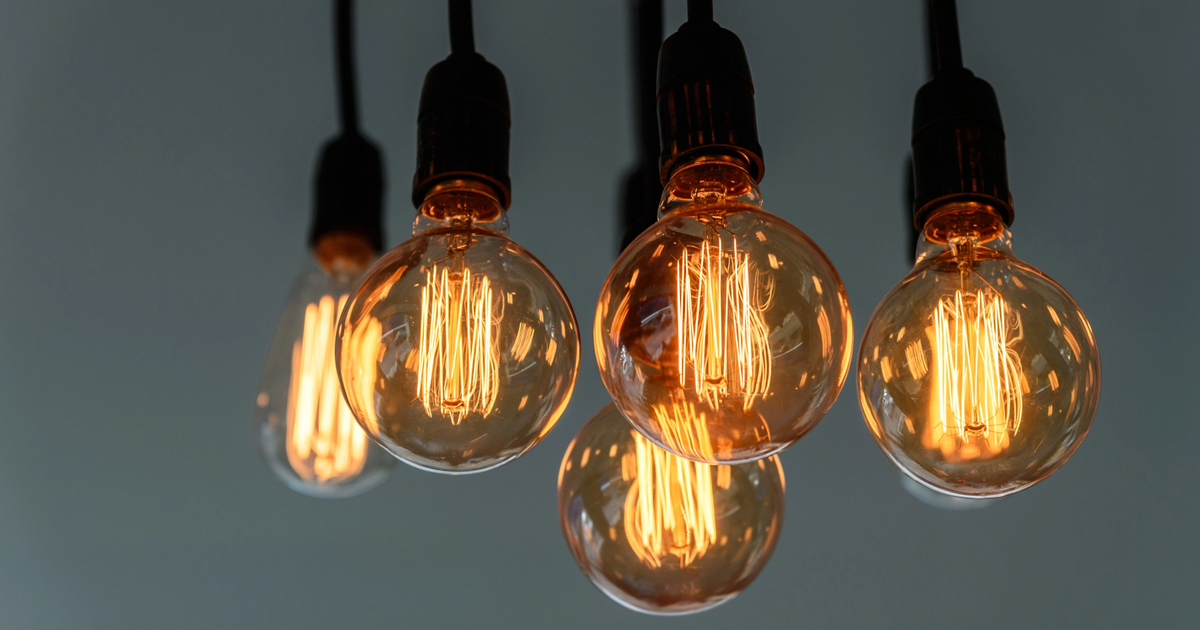
Small businesses often make mistakes that double their energy bills, and the most common you’ll see that play such a large role are after-hours equipment use, inefficient lighting, and delayed upgrades.
Energy costs have become a major operating expense for businesses across many industries in Australia. Research from the Council of Small Business Organisations Australia (COSBOA) shows that 49% of small businesses have not yet taken any steps toward the energy transition.
Key Takeaways from Empire Power
Track your energy usage so you can see where costs are really coming from.
Turn off equipment after hours to stop avoidable waste from adding to your bill.
Switch to LED lighting and efficient equipment to cut energy use and reduce heat.
What Does the NSW DMO Price Drop Mean for Your Small Business Bill?
This means small businesses on standing offers may see an immediate reduction in their baseline electricity bills. In New South Wales, the Australian Energy Regulator (AER) final Default Market Offer (DMO) for 2026–27 sets small business price decreases of 9.0% to 20.9%, with some businesses potentially saving up to $1,303 a year depending on their zone and tariff.
While many business owners may have expected a DMO increase in NSW, the final 2026–27 determination instead resulted in a price drop for most small business DMO customers.
If your bills are still rising, it is worth reviewing both your tariff and your energy habits before assuming the increase is unavoidable.
5 Common Small Business Energy Mistakes (And How to Fix Them)
Some mistakes are inevitable, no matter which industry you’re operating in. Inefficient lighting, running equipment when it’s not in use, neglecting equipment upgrades, and similar mistakes are all too common.
1. Not Tracking Energy Usage
Failing to monitor your energy usage is a costly mistake because it leaves small business owners completely blind to the exact assets and operational hours driving up utility costs.
Energy efficiency for small businesses starts with knowing where your energy is going. It is much easier to reduce costs when you can see what is driving usage.
Here are some of the ways you can measure your energy usage:
Install a Smart Meter: As part of the national smart meter rollout, upgrading from legacy meters allows you to automatically track electricity usage in 30-minute intervals, exposing hidden after-hours waste.
Request an Audit: You can upload your latest power bill to the team at Empire Power to get expert advice on exactly where your business could be saving.
2. Leaving Equipment on After Hours
When you leave equipment on after hours, it wastes energy and increases your energy costs. Lights, monitors, and office devices can become a financial drain that silently inflates your baseline utility expenses.
Instead, train your staff on how to reduce energy bills with these habits:
Turn off lights,computers, coffee machines, and air conditioning when not in use.
Unplug chargers and devices that do not need to stay on overnight.
Use power boards with switches so equipment is easier to shut down.
3. Using Poor Lighting Setups
Another frequent misstep that most small businesses make is operating with an outdated lighting setup. Sticking with such a setup means you are pulling significantly more power from the grid than necessary.
For instance, using outdated lighting like fluorescent and incandescent lights uses much more heat, which forces your cooling system to work harder than it intends to. This means you are paying to power an inefficient bulb and for your HVAC system to remove the heat it generates.
An energy-saving tip to remember is to upgrade to LED lighting, which can use up to 75% less energy and last up to 10 times longer.
4. Delaying Equipment Upgrades
A costly energy mistake to make is to delay any equipment upgrades, because older equipment typically uses more power and can lead to breakdowns and emergency repair bills.
Older systems are often less efficient, so they need more energy to do the same job. That means you may keep paying higher running costs even when the equipment still appears to be working normally.
To reduce the cost of your energy bill, you can:
Upgrade your heating and cooling system (HVAC) to a high-efficiency Minimum Energy Performance Standards (MEPS) compliant unit
Upgrade your commercial water heating system with a heat pump hot water system or new energy-efficient solar.
Replace outdated appliances like monitors, old office refrigeration, and IT infrastructure with certified energy-efficient hardware.
Frequently Asked Questions
I heard about an NSW DMO increase. Is my bill going up?
No. While there was widespread anticipation of a DMO increase in NSW, the AER actually announced a price drop for the 2026–27 period. Small business standing offer customers will see baseline price decreases between 9.0% and 20.9%.
What happens if I change my energy supplier?
Changing your energy supplier can lower your bill if the new plan has better rates, fees, or contract terms for your usage pattern. It does not reduce consumption by itself, so it works best when combined with a review of how and when your business uses power.
What are demand charges on my bill?
Demand charges are charges based on your highest level of electricity use during a billing period or peak interval. They can increase costs for businesses that have sudden spikes in usage, especially if several high-load appliances run at the same time.
Are fixed rates better than variable rates?
Fixed rates can help with budget certainty, while variable rates may offer more flexibility if market prices fall. The better choice depends on your usage, risk tolerance, and whether your business values stable costs or the chance to benefit from lower market rates.
Preparing Your Business Against Rising Energy Costs
The fastest way to reduce energy costs is to fix the common mistakes above, because they add up to energy waste every day. Start by tracking your energy usage, building energy-efficiency habits, switching to energy-saving lighting, and upgrading outdated equipment.
Upload your latest power bill for a free energy audit from the Empire Power team.
Related Reading:
Posted by
