5 Energy Trends: What Australian SMEs Must Watch in 2026
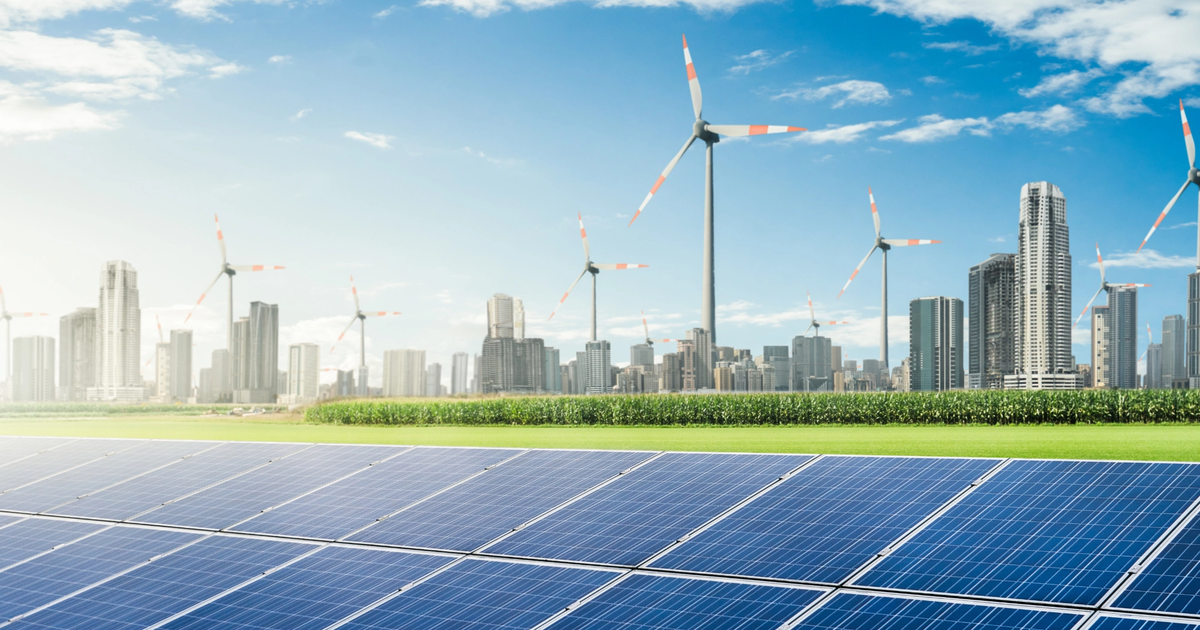
In 2026, the energy trends to watch in Australia for small and medium enterprises (SMEs) include time-of-use pricing, solar and battery storage growth, smarter provider apps, electric vehicle (EV) integration, and sustainability as a bill factor.
All of these directly impact what you pay for and how much control you actually have over your monthly energy bills.
In Q2 2024, the Australian Energy Market Operator (AEMO) reported in its Quarterly Energy Dynamics Report that the National Electricity Market (NEM) wholesale spot price averaged $133/MWh. It’s a 23% increase year-on-year rather than a 47% decrease, driven primarily by a widespread wind and hydro drought across southern states. While instantaneous and quarterly renewable share records vary, quoting $74/MWh for Q2 is inaccurate for recent market performance.
Key Takeaways
Compare time-of-use tariffs against your business’s actual operating hours.
Assess battery storage using demand charges, solar exports and peak consumption.
Use retailer apps and smart-meter data to identify avoidable energy waste.
Plan EV charging around solar generation, off-peak rates, and fleet schedules.
What Is the 2026 Australian Energy Market Outlook for SMEs?
The 2026 Australian energy market outlook is generally more favourable for SMEs, but savings will depend on location, tariff structure, contract terms and consumption patterns.
It operates under a dual reality:
Abundant Midday Supply: Massive expansion in rooftop solar and commercial solar farms creates a surplus of cheap electricity between 10:00 AM and 3:00 PM.
Tight Evening Peaks: As solar generation drops in the late afternoon, grid demand spikes, driving up peak wholesale rates.
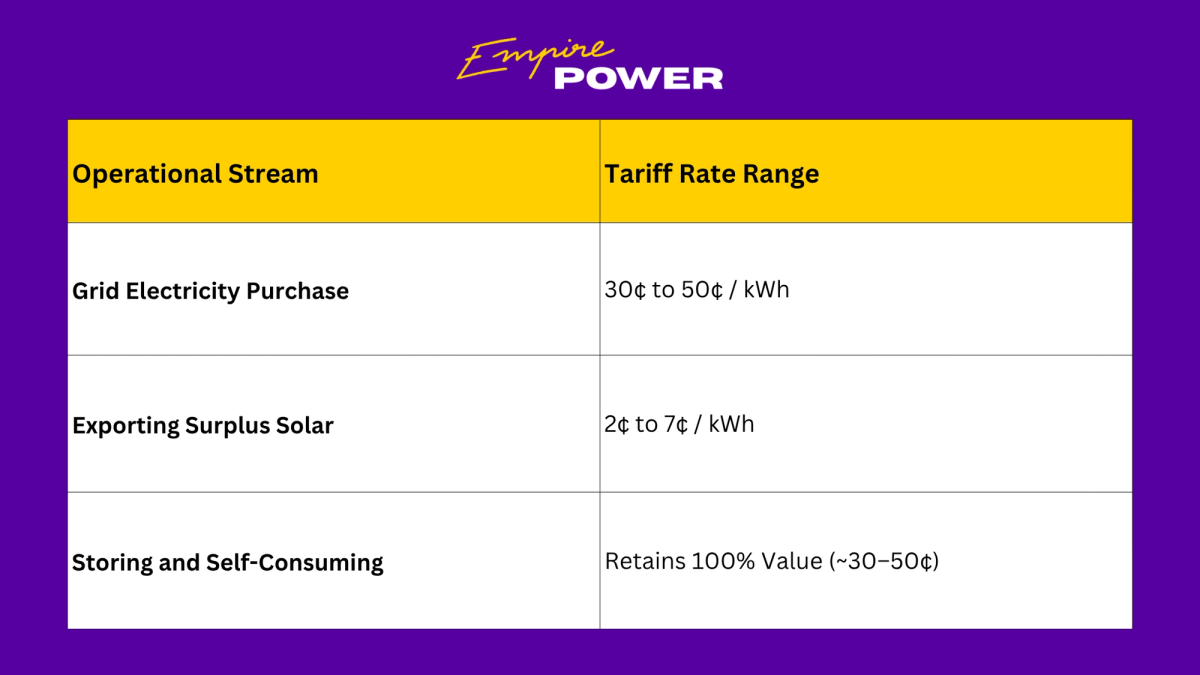
For commercial operators, state benchmarks from bodies like the Independent Pricing and Regulatory Tribunal (IPART) show that feed-in tariffs (FiTs) for exporting solar back to the grid have dropped significantly to 2–7¢/kWh, while grid electricity rates during peak periods remain high at 30–50¢/kWh.
Top 5 Energy Trends Impacting SMEs in 2026
1. Time-of-Use Pricing
Energy retailers have largely phased out flat-rate commercial tariffs in favor of flexible Time-of-Use (ToU) and dynamic pricing models.
Under ToU pricing, electricity rates fluctuate across three primary time bands:
Off-Peak Electricity (Overnight and Midday): Lowest rates, ideal for running energy-intensive equipment or fleet charging.
Shoulder (Mornings and Early Afternoons): Moderate rates reflecting standard grid activity.
Peak (4:00 PM – 9:00 PM): Highest rates, when total demand surges across industries.
2. Solar and Battery Storage Growth
Solar and battery storage will continue to expand across Australia in 2026, giving SMEs more ways to generate, store and manage electricity on-site.
By storing excess solar energy generated during the day, SMEs can power their operations during expensive evening peak periods or protect themselves against localised grid outages.
Here’s the 2026 commercial solar and battery economics:
Furthermore, many commercial batteries now participate in Virtual Power Plants (VPPs), earning businesses extra credits by supporting the grid during regional peak events.
3. Smarter Provider Apps
Energy retailers and technology providers are giving businesses better access to usage, billing, solar and tariff information through digital platforms and mobile apps.
Accelerated by the national smart meter rollout monitored by the Australian Energy Regulator (AER), modern energy management portals do far more than just display quarterly bills.
Modern commercial energy apps enable small businesses to:
Track Interval Usage Data: Monitor electricity consumption in 5- to 30-minute increments to pinpoint operational energy spikes.
Optimise Time-of-Use Tariffs: Identify when heavy machinery or equipment is running during expensive peak windows (4:00 PM – 9:00 PM) and reschedule operations to midday solar off-peak hours.
Monitor Solar and Battery Exports: Track rooftop solar generation versus grid exports in real time to maximise self-consumption value.
Set High-Usage Alerts: Receive automated notification badges when energy consumption breaches pre-set budget thresholds.
4. Electric Vehicle Integration
EV adoption is accelerating, with major investments in charging infrastructure across Queensland, Victoria, and Western Australia.
There are 3 main levels of EV charging commonly used across Australia, each with increasing capabilities:
Level 1: Standard AC Trickle Charging
Power Output: 1.8 kW to 3.6 kW
Speed: Adds roughly 10–20 km of range per hour.
Setup: Plugs directly into a standard 240V household power outlet (GPO) using the portable cable supplied with the vehicle.
Best For: Overnight topping up for low-mileage daily commutes, plug-in hybrids (PHEVs), or emergency and portable use.
Level 2: Dedicated AC Fast Charging
Power Output: 7.2 kW (single-phase) to 22 kW (three-phase).
Speed: Adds roughly 40–150 km of range per hour.
Setup: Requires a dedicated wall box charger installed by a licensed electrician.
Best For: Home charging setups, workplace parking, shopping centres, and hotel stayovers where vehicles dwell for a few hours.
Level 3: DC Ultra-Fast Rapid Charging
Power Output: 25 kW to 350+ kW
Speed: Bypasses the car's onboard AC charger to supply direct current (DC) directly to the battery, adding 150 to 400+ km of range in as little as 10 to 30 minutes.
Setup: High-voltage commercial installations along major transport corridors and public charging hubs.
Best For: Long-distance road trips, commercial fleets, and quick top-ups on highway routes.
5. Sustainability as a Bill Factor
Under regulatory frameworks like the Australian Sustainability Reporting Standards (AASB S2), environmental certificates such as Large-scale Generation Certificates (LGCs), Victorian Energy Efficiency Certificates (VEECs), and Energy Savings Certificates (ESCs), and carbon metrics are shaping commercial energy procurement strategies.
To maintain a competitive edge, Australian SMEs should focus on three actions:
Track Renewable Energy Usage: Monitor renewable generation ratios to meet shifting customer, investor, and enterprise tender expectations.
Explore Green Power and PPAs: Evaluate Green Power options and Power Purchase Agreements (PPAs) to lock in long-term, fixed energy pricing structures.
Report Scope 1 and 2 Emissions: Benchmark carbon intensity and energy metrics to fulfill Scope 3 value-chain reporting requests from major corporate clients and government supply chains.
Frequently Asked Questions
Are electricity prices falling in Australia?
Wholesale electricity prices have stabilised compared to peak crisis years, but retail power bills remain elevated due to network investment costs and peak-hour demand. While average wholesale generation costs from renewable energy are lower, the final price SMEs pay depends heavily on when power is consumed. Businesses that shift consumption away from peak hours (4:00 PM–9:00 PM) see lower total electricity bills.
Is controlled load the same as off-peak electricity?
No, controlled load is a dedicated tariff for specific hardwired appliances like hot water systems, whereas off-peak electricity refers to cheaper time-of-use pricing periods across your entire business premises. Controlled load operates on a separate meter, while off-peak rates apply dynamically to all running equipment during designated low-demand hours.
Where does Australia rank in the world for renewable energy?
Australia consistently ranks in the top 10 for total wind/solar share (often around #7 globally per Ember climate reports) and #1 globally per capita for rooftop solar.
Slash Business Power with Cost-Effective Commercial Energy Plans
Australia’s 2026 energy market is creating new opportunities for SMEs to reduce costs through better tariffs, solar battery storage, flexible operations, smarter monitoring and EV charging strategies. The best plan depends on how, when and where your business uses electricity.
Upload your latest energy bill to Empire Power to compare your existing charges, uncover potential hidden savings, and switch to a tailored, cost-effective commercial energy plan.
Posted by
